
specialties


Technology to get your data back!
Data Recovery from SDLT Magnetic Tapes
One of the leading national brands in tape data recovery.
- Over 25 years of experience
- Present in 7 countries
- Multilingual support
WORLDWIDE SERVICE
RECOVERED DATA CENTERS
EXPERIENCE CONSOLIDATED
24H SUPPORT FOR EMERGENCIES
REMOTE DATA RECOVERY
TOTAL PROTECTION OF YOUR DATA


Recover SDLT Magnetic Tapes
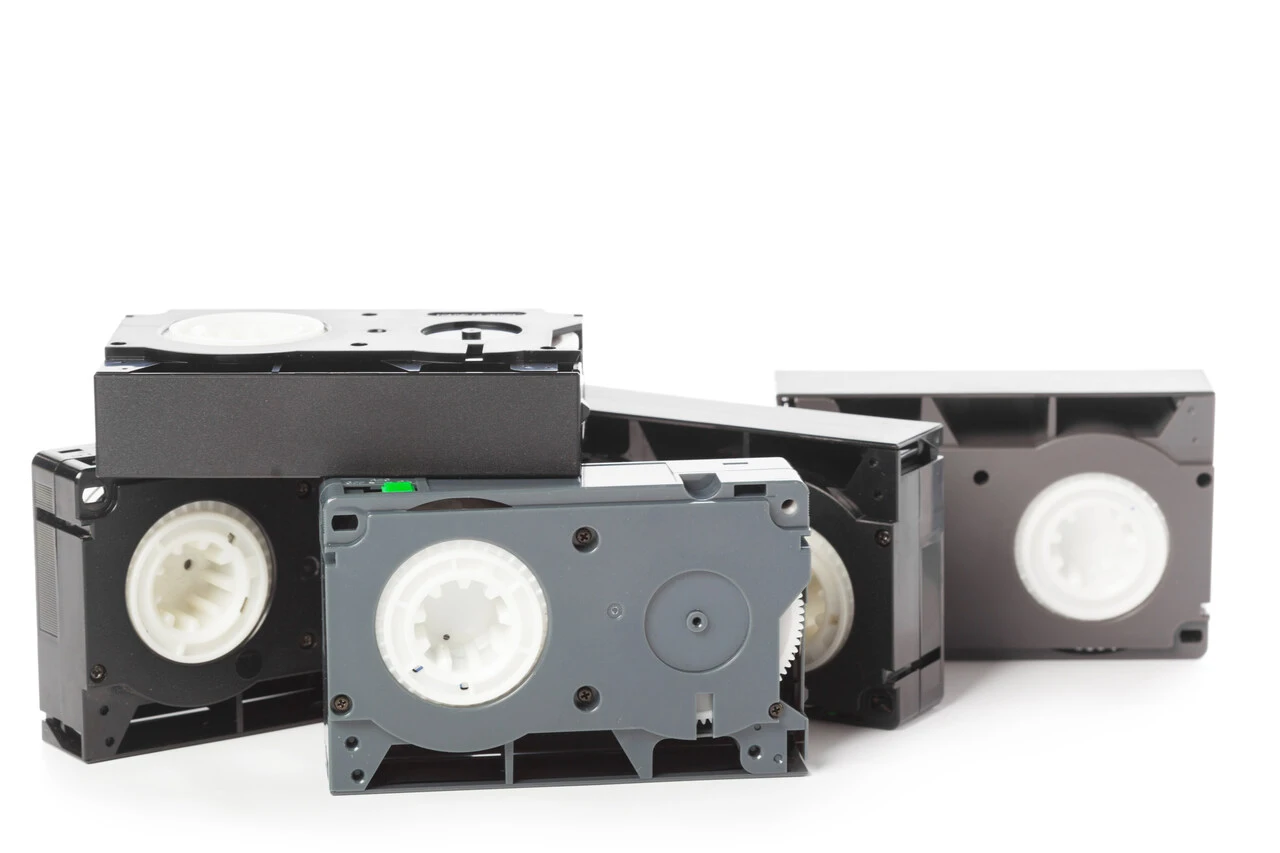
SDLT (Super Digital Linear Tape) magnetic tapes were developed by Quantum Corporation in 2001. They were designed to provide high-density storage capacity and reliability, making them a popular choice for backup and large-scale data storage. SDLT tapes were launched in response to the growing demand for data storage in a rapidly expanding business environment that required a robust and scalable backup solution.
One of the key differences between SDLT tapes and other magnetic tape technologies is their storage capacity. The first SDLT tapes were capable of storing up to 160 GB of data, but later versions reached a capacity of up to 600 GB per tape.
In addition, SDLT tapes have a fast transfer rate, allowing large amounts of data to be transferred quickly for backup and recovery purposes. Another differentiator of SDLT tapes is their auto error detection capability, which means that they can identify and correct data errors during recording.
However, even with all these benefits, SDLT tapes are not immune to data loss. Data loss on magnetic tapes can be caused by many factors, including hardware failure, human error, natural wear and tear, or exposure to harsh environmental conditions, such as extreme temperatures or humidity. Data loss can also be caused by write errors, such as failures in the backup process or data corruption during transfer.
In all these SDLT tape data loss scenarios Digital Recovery is used to, we specialize in data recovery from magnetic tapes.
Why Digital Recovery?
Digital Recovery specializes in data recovery, including data stored on SDLT tapes. We have a highly-skilled team of data recovery specialists with years of experience in handling various types of storage media, including SDLT tapes. These specialists have the knowledge & experience to handle all aspects of data recovery, from initial analysis of damaged media, to recovery of lost data.
We constantly invest in state-of-the-art technology to ensure successful data recovery from SDLT tapes and other storage media. We use state-of-the-art equipment and specialized software to recover data from damaged or corrupted SDLT tapes, even in cases of physical damage.
We have a policy of transparency and honesty. We offer a full diagnostic report before any data recovery work begins, so clients know exactly what to expect in terms of timelines and costs. In addition, Digital Recovery guarantees that if lost data cannot be recovered, clients do not have to pay for any services.
The company understands the importance of lost data to its clients and works tirelessly to ensure that it is recovered quickly and efficiently. The company offers 24/7 customer support to ensure that customers can get help whenever they need it.
Contact us and start recovering your data from SDLT tapes now.
We are always online
Please fill out the form, or select your preferred contact method. We will contact you to start recovering your files.
Success stories
What our customers say about us
We had a serious problem after a power outage affected a NAS server in RAID 5. I immediately contacted DIGITAL RECOVERY. After several days of hard work, the problem was resolved.
"One of our RAID servers had stopped working. After several attempts to resolve the issue, we found DIGITAL RECOVERY, and five hours later, at 4:00 a.m., the data had been recovered."
"We referred a special case of data loss in a RAID 5 storage system to DIGITAL RECOVERY. DIGITAL RECOVERY recovered 32 million files, and the customer was extremely satisfied."

"Without a doubt, the best data recovery company. DIGITAL RECOVERY's contact details are always saved on my mobile phone, as I will inevitably need them again."
"The quality of the service is excellent. The care dedicated to the service is very satisfactory, and the feedback we receive reassures us, knowing that we can rely on their work and dedication."
"Great company, they saved me from a major problem!!! I recommend them, what fast service. My thanks to the Digital Recovery team for their attention and speed in resolving the issue! Fantastic!"
"This is the second time I have relied on the speed and professionalism of the Digital Recovery team. They are highly experienced and efficient. I recommend them to everyone."
They helped me recover data I thought had been lost. I had a great experience with the team thanks to their calm approach, speed, and transparency.


Answers from our experts
What are the main reasons for data loss on SDLT tapes?
Physical Damage to Tape: SDLT tape is magnetic media and as such can be damaged if exposed to extreme temperatures, excessive humidity, dust, or other elements that can compromise the integrity of the tape. In addition, improper handling of the tape can also cause physical damage such as scratches or warping.
Data corruption: Data corruption is a common problem with SDLT tapes and can be caused by a variety of factors, including hardware or software problems, write or read errors, magnetic interference, and others.
Write or read device problems: The write or read device used to access the data stored on a SDLT tape can also be a factor leading to data loss. Mechanical, electrical, or software problems with the device can affect the device’s ability to accurately access the data on the tape.
Failure to back up data: If data stored on an SDLT tape is not backed up regularly, data loss may occur due to problems with the storage device itself, such as system failure or data corruption.
Tape Life Expiration: SDLT tapes have a limited life span, and if used for too long, they may wear out and experience wear issues such as physical damage, decreased storage quality, and data read errors.
How can data loss on SDLT tapes be prevented?
To avoid data loss on SDLT tapes, it is important to make regular backups of the data stored on these tapes. In addition, it is essential to keep the tapes in an appropriate environment and protected from physical damage and elements that might compromise the integrity of the data.
Is it possible to recover all data from a damaged SDLT tape?
It is not always possible to recover all data from a damaged SDLT tape, but in many cases a large portion of the data can still be recovered. The success of recovery depends on the type and severity of the tape damage. We have technologies capable of recovering damaged tapes.
Latest insights from our experts
The Gentlemen Ransomware: How It Works and How to Recover Data
The Gentlemen ransomware has been among the fastest-growing ransomware operations since the second half of 2025. Unlike automated campaigns that strike indiscriminately, its affiliates study

Qilin Ransomware: How It Works and How to Recover Your Data
Qilin ransomware is one of the most active and well-structured ransomware operations in the market. Initially known as Agenda, the group operates under the Ransomware-as-a-Service,

El Niño and Data Loss: How to Protect Servers, RAID Systems, and Backups
El Niño can cause significant changes in rainfall and temperature patterns across different regions of South America. Although the phenomenon does not directly cause data
What you need to know
Which is the best backup option, tapes or hard disks?
When it comes to cost effectiveness there is no doubt that magnetic tapes are the best choice for storing backups. Tapes were designed for this purpose and offer several years of durability, unlike hard disks.
Hard disks are made up of mechanical parts, which in turn are susceptible to failure and data loss. Not that magnetic tapes are immune to data loss, data loss can occur with tapes, but it is much rarer than with hard disks.
What are the main connections of Magnetic Tapes?
We can separate the connections into three, which are: Standalone, autoloaders and library.
- Standalone – A single simple drive.
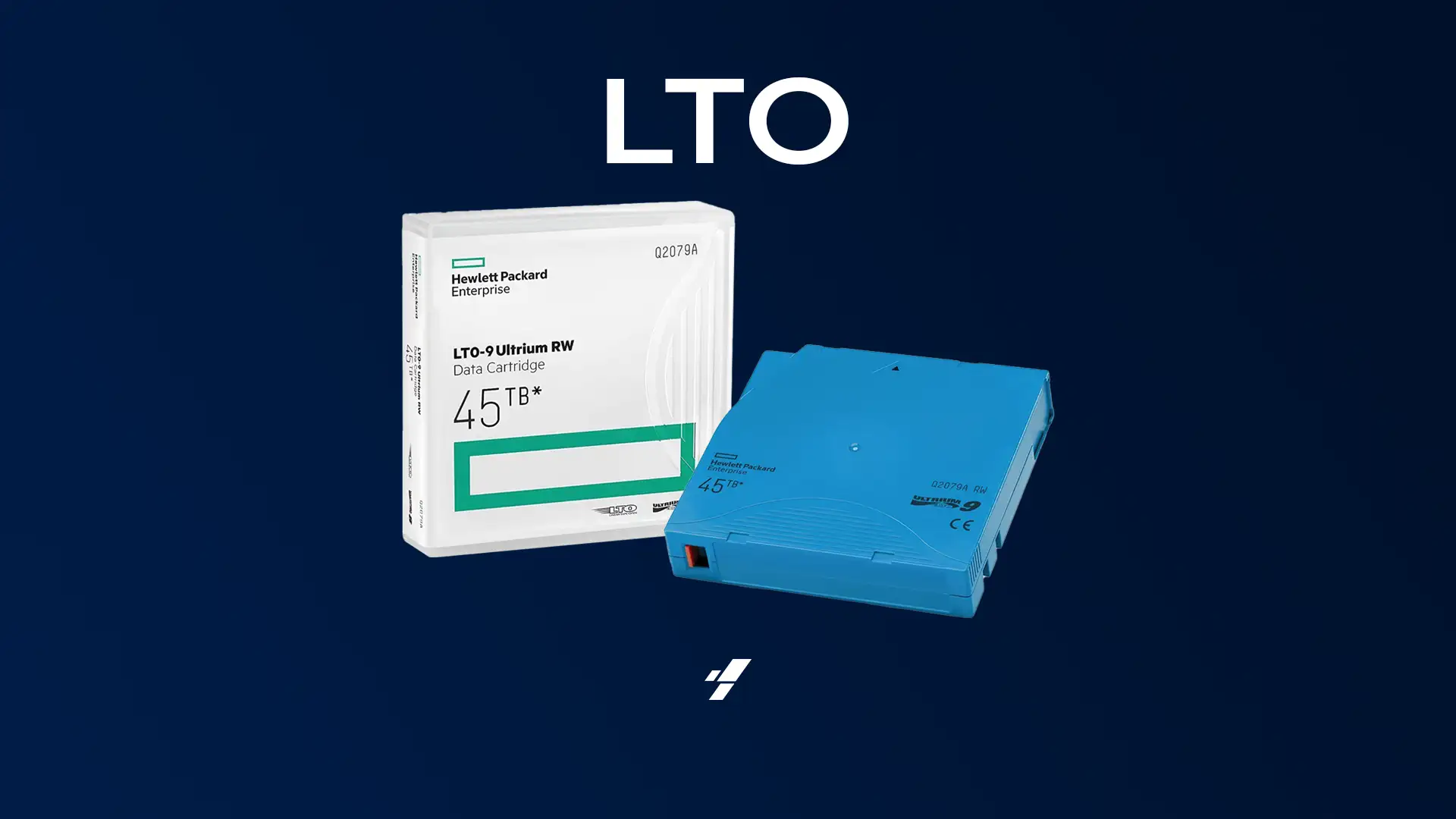
Autoloaders – Stores more than one cartridge and has an automatic loading mechanism with LTO drive.
Library – Stores multiple cartridges and more than one drive in various sizes and capacities.