
RedAlert ransomware
"The feeling was absolutely incredible, holding a data carrier in our hands where we knew our current server data was on it."
André Sobotta - moto GmbH & Co.KG

specialties

Technology to get your data back!

Decrypt RedAlert ransomware

Are your files inaccessible due to RedAlert ransomware? We have the technology needed to decrypt them and ensure data recovery.

37K+

WORLDWIDE
SERVICES

75+

CASES OF
LOCKBIT ATTACK

50+

CASES OF
BLACK CAT ATTACK

35+

CASES OF
HIVE LEAKS ATTACK

30+

CASES OF
AKIRA ATTACK

$240M+

AMOUNT SAVED FOR NOT DEALING WITH HACKERS

* Data as of 2025

Recognised by the press

Recover RedAlert ransomware files

If you have been affected by RedAlert ransomware, it is essential to act immediately to recover your files.

Ransomware attacks have become one of the most dangerous digital threats, significantly increasing in recent years and impacting companies across all sectors and sizes. Recent studies show that over 70% of these attacks result in full data encryption, causing about 56% of victims to give in to criminals’ demands. Fortunately, there are effective solutions to recover files without negotiating with hackers. Developed to cause significant damage, RedAlert ransomware is advanced malware specifically targeting critical file encryption, making them inaccessible to both home users and businesses. Its recent prominence stems from its proven ability to disrupt fundamental operations in essential sectors such as healthcare, industry, education, and finance.

Unlike traditional viruses, RedAlert ransomware is controlled by specialized criminal groups that use advanced encryption algorithms, such as AES-256 or RSA, to lock access to data, with the unique key kept exclusively by the attackers.
Additionally, hackers often apply the double extortion method>, encrypting files while simultaneously stealing sensitive data, and threatening to publish it online to increase pressure for ransom payment.

Ransomware attacks have shown accelerated growth, increasing approximately 5% in the past year alone, with the average ransom demanded by criminals reaching millions of dollars. Many organizations, due to lack of effective recovery methods, end up yielding to the demands and funding further attacks.

Our company has innovative and secure solutions for complete ransomware decryption.

Why choose Digital Recovery to decrypt RedAlert ransomware?

Choosing the right partner for recovery after a ransomware attack is essential to ensure fast, secure, and effective results. Digital Recovery stands out globally by offeringexclusive solutions combining advanced technology and proven experience in complex cyberattack scenarios.

  • Exclusive Technology (TRACER): Our proprietary technology, TRACER, enables the recovery of data encrypted by RedAlert ransomware, presenting a high success rate even in extremely complex scenarios.
  • Highly Specialized Team: We have a team of certified experts with extensive practical experience in real ransomware situations, ensuring a customized and effective technical strategy for each specific scenario.
  • Proven Global Experience: Having operated globally for more than 25 years, we offer our services in various countries such as the United States, Germany, the United Kingdom, Spain, Italy, Portugal, Brazil, and all Latin America, ensuring rapid, multilingual service fully aligned with local regulations.
  • Guaranteed Confidentiality: Our services rigorously adhere to all current data protection regulations. Additionally, we offer detailed confidentiality agreements (NDA), guaranteeing complete legal security for impacted organizations.
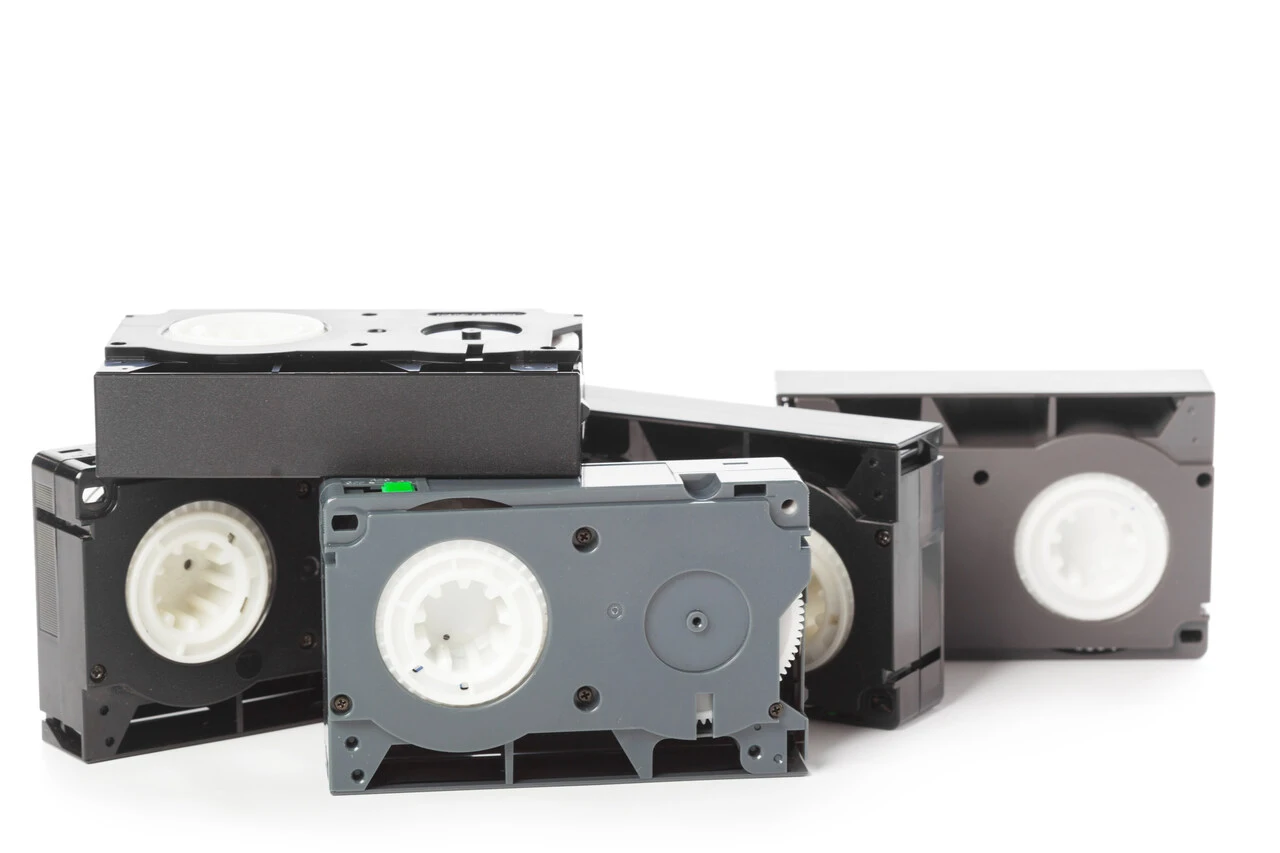
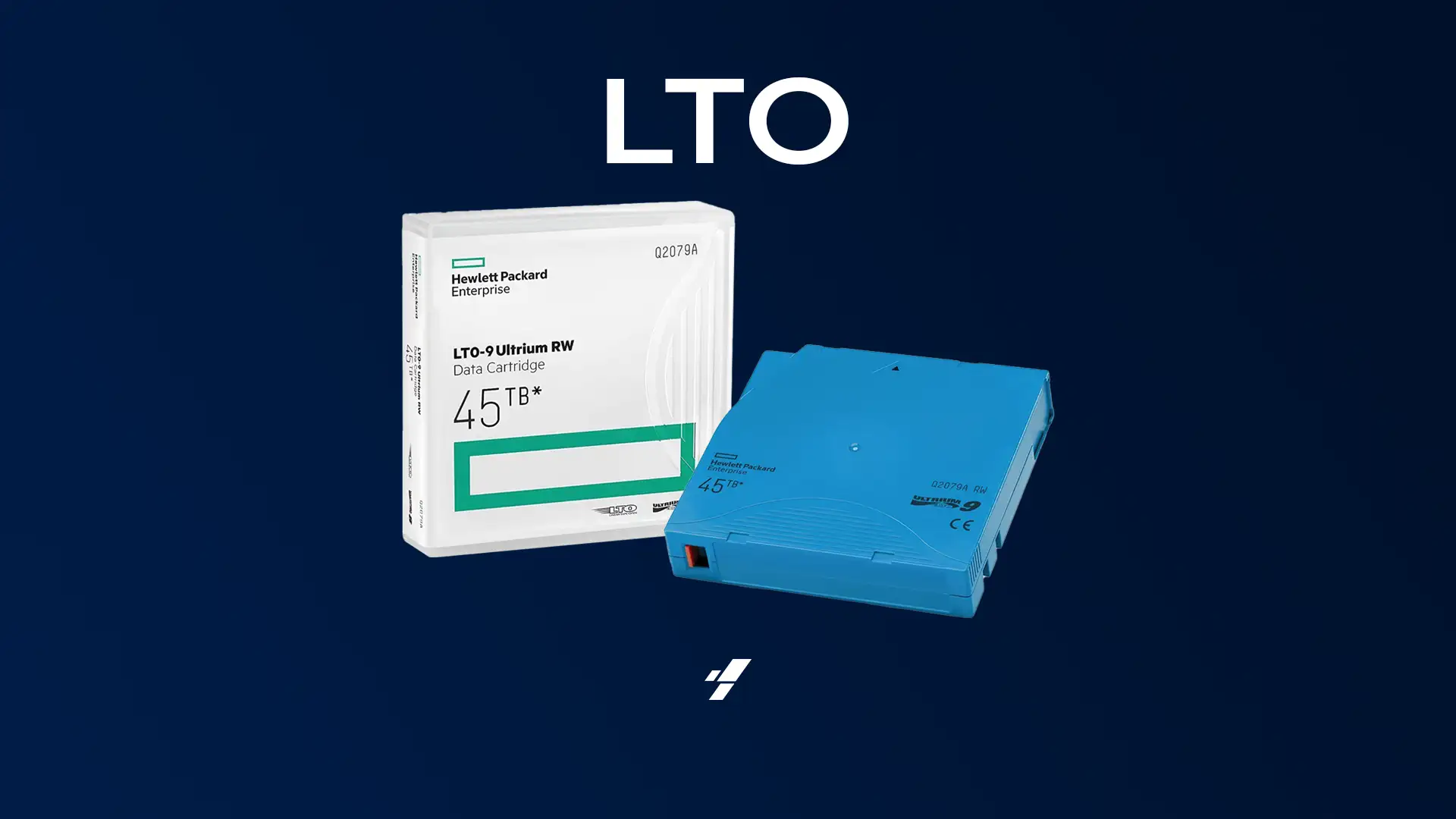
  • Customized Solutions: Our solutions are designed to adapt to major storage devices, including servers, storages (NAS, DAS, and SAN), RAID systems of all levels, databases, virtual machines, magnetic tapes, among others.

Calm down, your data can be retrieved

Contact
Digital Recovery

We will run an
advanced diagnosis

Get the quote for your project

We kick off the data reconstruction

Get your data back

We are always online

Please fill out the form, or select your preferred contact method. We will contact you to start recovering your files.

What our customers say about us

Companies that trust our solutions

Answers from our experts

How does the RedAlert ransomware attack work?

RedAlert ransomware executes its attack through a clear and defined sequence of steps:

  • Silent infiltration: The attack starts with phishing techniques, where malicious emails or infected attachments are sent to victims. Another common method involves exploiting technical vulnerabilities in outdated systems, such as software breaches or insecure remote access (RDP).
  • Backup mapping and neutralization: After the initial entry, the ransomware conducts an internal network reconnaissance, identifying strategic files and particularly connected or online backups. The aim is also to compromise these backups, eliminating quick recovery options.
  • Mass encryption of files: Once the mapping of important files is complete, ransomware promptly initiates its encryption. Vital files including databases, ERP systems, virtual machines, and RAID systems are generally impacted, resulting in complete data inaccessibility.
  • Financial extortion: Once files are encrypted, attackers leave a ransom note with detailed payment instructions. Instructions frequently suggest contacting via anonymous platforms or the dark web, demanding cryptocurrency payments to make tracing virtually impossible.

How much does it cost to decrypt RedAlert ransomware?

The exact value to decrypt files impacted by RedAlert ransomware is defined according to the extent and level of technical complexity of the suffered attack. The total cost of the process is directly linked to the amount of affected information, the category of impacted systems (servers, virtual machines, storages, or databases), and the availability of usable backups. To quickly start the process and get an accurate quote, we recommend requesting an initial diagnosis with our specialized team. Talk to our experts.

How long does the data recovery take?

The period required to restore files can vary significantly depending on the specifics of the attack. Usually, the process takes from a few days to a few weeks, with the exact time influenced by factors like the amount of encrypted data, the complexity of the attack, the size of the affected network, and the quality of existing backups. Once we perform the initial diagnosis, which occurs within the first 24 business hours after your contact, we will provide a precise and detailed estimate of the timeframe necessary to successfully complete your data recovery.

Is there any guarantee for data recovery?

Because of the unique technical characteristics of each ransomware attack, it is impossible to guarantee 100% success in data recovery in advance. Each case has its own particularities, such as different encryption algorithms and diverse techniques used by attackers. However, Digital Recovery uses advanced and exclusive technologies, such as the proprietary TRACER solution, which provides a very high success rate in recovering files encrypted by ransomware.

Latest insights from our experts

What you need to know

How to prevent a RedAlert ransomware attack?

Preventing a RedAlert ransomware attack requires a comprehensive cybersecurity framework, but that’s not all, let’s list some important points that you need to pay attention to.

  • Organization – Having documentation of the IT park helps a lot in the prevention process, in addition to the inventory of networks and computers. Develop rules so that new employees have clear company policy on the installation and use of programs on computers.
  • Strong Passwords – Passwords should be strong, containing more than 8 digits, including special ones. And do not use a single password for multiple credentials.
  • Security Solutions – Have a good antivirus installed, keep all programs up to date, especially the operating system. Besides the antivirus solution, you need a Firewall and endpoints. They will make sure that the system stays protected.
  • Beware of suspicious emails – One of the most used means for invasion used by hacker groups are spam email campaigns, so it is vital to create a security and awareness policy for employees not to download attached files sent by unknown emails.
  • Efficient backup policies – Backups are essential for any eventual incident, but even with this essential role many companies neglect it or create a backup schedule that is not effective. We have already assisted several clients that not only the data was encrypted, but also the backups. It is not recommended to keep online backups only. The best backup structure is 3x2x1, which is 3 backups, 2 online and 1 offline, in addition to creating a consistent routine of updating the backups.
  • Beware of unofficial programs – There are numerous paid programs that are made available for free on the Internet, such as Windows, Office and many others. They may appear to be free at first, but in the future can be used as a gateway for future hacker attacks. Even if official programs demand financial resources, they are a good investment and are also secure.

There exist various tactics utilized by RedAlert criminals, the primary ones being: dissemination of infected files, malicious hyperlinks, RDP-based assaults, phishing, spam email campaigns, among others.

Their ultimate objective is to infiltrate the victim’s system without their knowledge. Therefore, RedAlert ransomware disguises itself within the system to evade detection by security systems.

In situations where user involvement is required, perpetrators employ phishing techniques to induce the victim into unwittingly downloading ransomware onto their system.

High consumption of processing, memory and disk access are suspicious behaviors that need to be investigated thoroughly in order to assess whether an attack is underway.  

The RedAlert ransomware uses the machine’s own resources to perform exfiltration. In order to encrypt the machine this demands the use of its own resources.

It is also possible to detect the RedAlert attack by the changes made to the file extensions, this type of detection is a bit more complex because the encryption process will have already been started.

The data will remain encrypted, it will be necessary for the affected machine to be formatted. By doing this all stored data will be lost.

However, if the attacking group employs the double extortion tactic of copying and exfiltrating all files from the device prior to encryption, they may post the stolen files on the group’s website or on Dark Web forums. In this case, even if the victim pays the ransom or formats the affected device, the original data will remain encrypted while the stolen files will be exposed, causing significant data breaches and privacy concerns.

Other Ransomware Groups