André Sobotta - moto GmbH & Co.KG
specialties


Technology to get your data back!
Decrypt Rever ransomware
Are your files inaccessible due to Rever ransomware? We have the technology needed to decrypt them and ensure data recovery.
- Over 25 years of experience
- Present in 7 countries
- Multilingual support
WORLDWIDE SERVICES
CASES OF LOCKBIT ATTACK
CASES OF BLACK CAT ATTACK
CASES OF HIVE LEAKS ATTACK
CASES OF MALLOX ATTACK
AMOUNT SAVED FOR NOT DEALING WITH HACKERS
Decrypt Rever ransomware files
If your data has been encrypted by Rever ransomware, you need to act quickly.
Rever ransomware is an advanced form of malware specifically designed to encrypt essential files on business and personal systems, making them completely inaccessible to their owners. This ransomware has become widely known for its ability to cause significant disruptions to critical operations, particularly affecting sectors such as healthcare, manufacturing, education, and finance.
Unlike traditional viruses, Rever ransomware is controlled by specialised criminal groups that use advanced encryption algorithms, such as AES-256 or RSA, to lock access to data, with the unique key kept exclusively by the attackers.
In addition, the practice known as double extortion is common, wherein besides encrypting files, hackers steal copies of sensitive data to threaten victims with public exposure.
Ransomware attacks have shown accelerated growth, increasing approximately 5% in the past year alone, with the average ransom demanded by criminals reaching millions of dollars. Many organisations, due to lack of effective recovery methods, end up yielding to the demands and funding further attacks.
Our company has innovative and secure solutions for complete ransomware decryption.
Why choose Digital Recovery to decrypt Rever ransomware?
Selecting a trusted partner following a ransomware attack is critical to guaranteeing rapid, safe, and successful outcomes. Digital Recovery is internationally recognised for providing exclusive solutions that blend innovative technologies with extensive experience in addressing sophisticated cyberattacks.
- Exclusive Technology (TRACER): By using TRACER, our proprietary technological solution, we can effectively recover data encrypted by Rever ransomware, guaranteeing a high success rate even in critical situations.
- Highly Specialised Team: We have experienced and certified specialists with extensive hands-on experience in real ransomware cases, ensuring a personalised technical and strategic approach for each situation.
- Proven Global Experience: Operating for over 25 years in the global market, we serve businesses in countries like the United States, Germany, the United Kingdom, Spain, Italy, Portugal, Brazil, and throughout Latin America, offering specialised, multilingual support fully compliant with local legal requirements.
- Guaranteed Confidentiality: All our services comply with current data protection laws. We provide rigorous confidentiality agreements (NDA), ensuring complete legal security for affected companies.
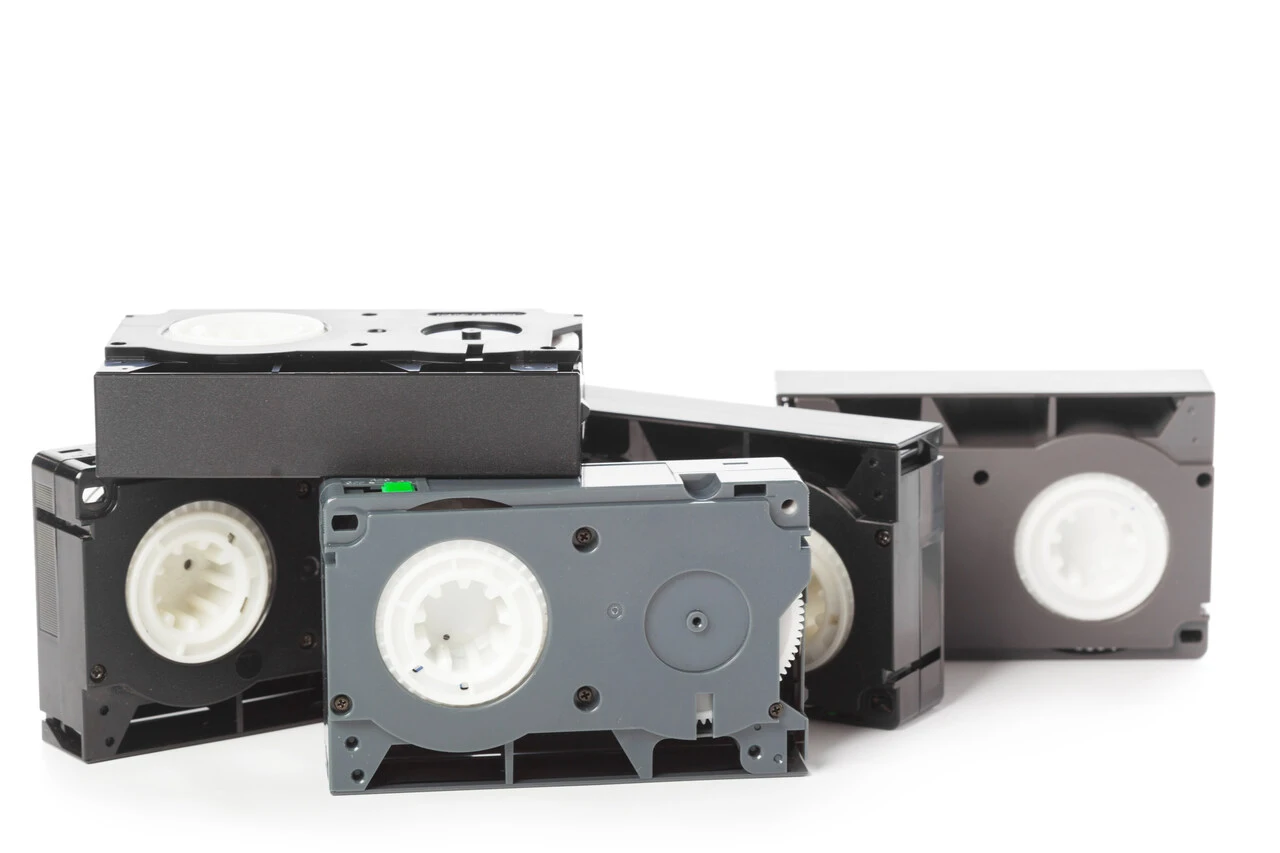
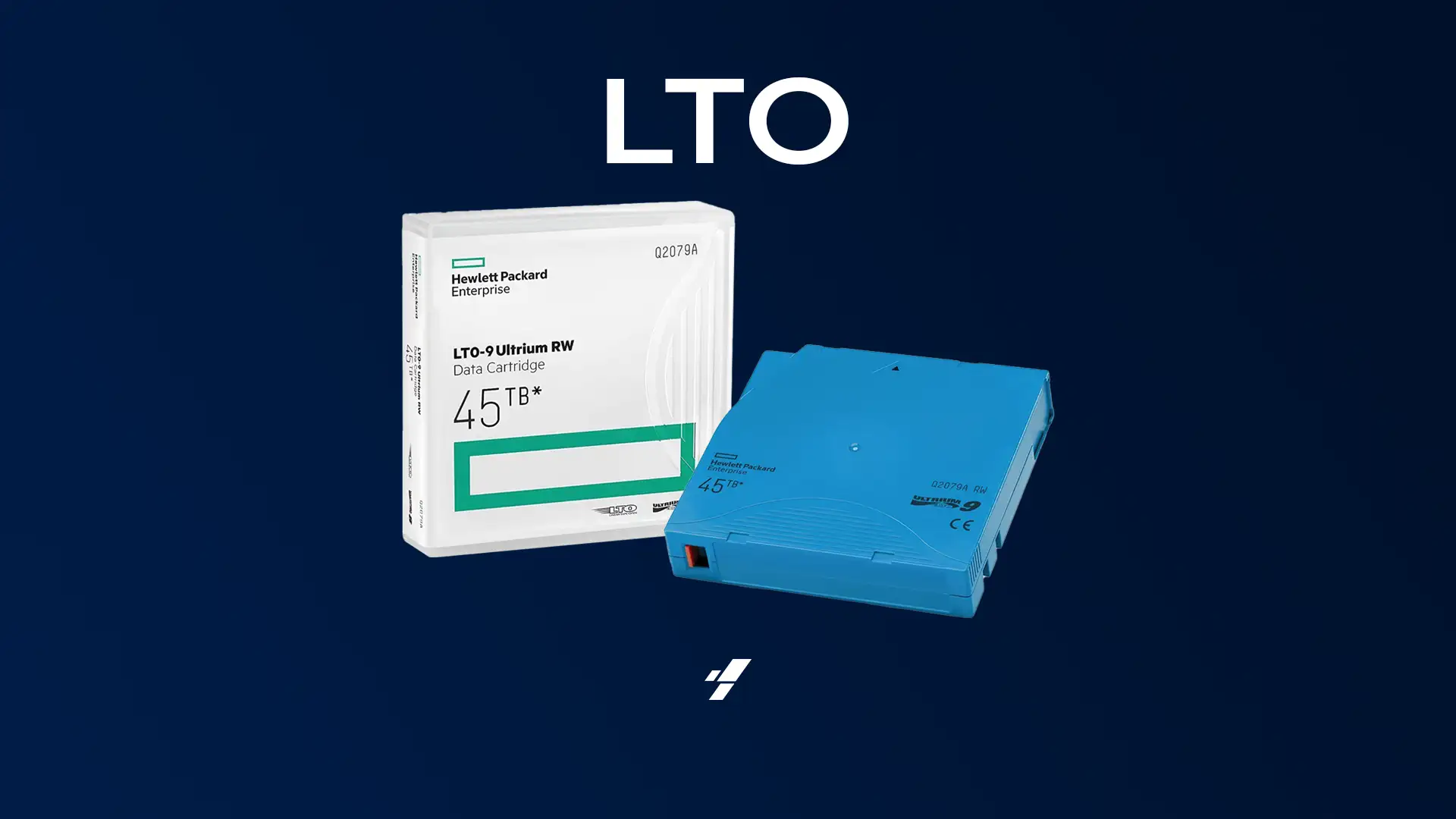
- Customised Solutions: We develop solutions that perfectly suit primary storage devices, such as servers, storages (NAS, DAS, and SAN), all levels of RAID systems, databases, virtual machines, and magnetic tapes.
We are
always online
Please fill out the form, or select your preferred contact method. We will contact you to start recovering your files.
Success stories
What our clients say about us
"We had a serious problem after a power failure of a NAS server in Raid 5. I immediately contacted DIGITAL RECOVERY. After a few days of hard work the problem was solved."
"One of our raid servers had stopped. After several attempts without solving the problem we found DIGITAL RECOVERY and 5 hours later, at 4am, the data was recovered."
"We appointed DIGITAL RECOVERY in a special case (of data loss) in a raid 5 storage. Digital Recovery was able to recover 32 million files so our customer was extremely satisfied.”
"Without a doubt the best data recovery company in Latin America. The contact Digital Recovery will always be saved on my phone, because inevitably I will need again."
"The quality of the service is excellent. The attention given to customer service is gratifying and the feedback we receive reassures us that we can trust the work and dedication."
Customer since 2017
"Great company, they saved me from a big problem! I recommend, fast service, my thanks to the Digital Recovery team for the attention and quick solution to the problem! Show!"
"Second time that I count with the agility and professionalism of the Digital Recovery team, they are very experienced and agile. I recommend to all"
"They helped me recover some data that I had thought was lost. I had a great experience with the team for their calmness, agility and transparency."


Answers from our experts
The Rever ransomware attack typically occurs in several well-defined stages:
- Silent infiltration: Initially, the ransomware infiltrates through phishing campaigns, sending fraudulent emails or malicious attachments to victims. Another common approach involves exploiting existing technical vulnerabilities in outdated systems, such as software security flaws or unsecured remote connections (RDP).
- Backup mapping and neutralisation: Once inside the network, the ransomware carefully analyses the environment, detecting important files and connected or online backups. The goal is to directly affect these backups, removing the possibility of quickly restoring the information.
- Mass encryption of files: Following initial reconnaissance, ransomware immediately encrypts the identified files. Critical data, databases, ERPs, virtual machines, and RAID arrays are frequently compromised, completely blocking user access.
- Financial extortion: Immediately after data encryption, hackers leave a note demanding ransom payment. Typically, the instructions include communication through secure platforms or dark web sites, requesting cryptocurrency payments to prevent tracing.
How much does it cost to decrypt Rever ransomware?
Determining the precise cost of recovering files affected by Rever ransomware directly depends on the scope and technical complexity of the incident.
Generally, factors such as the amount of data affected, the type of compromised system (servers, virtual machines, storages, or databases), and the availability of functional backups directly influence the final cost.
To expedite the process and obtain a precise and personalised assessment, we recommend contacting our specialists directly for an initial diagnosis. Request specialised support right away.
How long does the data recovery take?
The timeline for data recovery varies according to the specific circumstances of each attack. Generally, the process can range from a few days to several weeks, mainly depending on the volume of affected files, the extent of the impacted infrastructure, the complexity of the ransomware involved, and the condition of available backups.
After receiving your contact, we perform an initial diagnosis within 24 business hours, and then our team will inform you of a clear and personalised estimate of the timeframe required to complete your data recovery.
Is there any guarantee for data recovery?
Due to the technical complexity involved in ransomware attacks, no serious company can ensure beforehand the full recovery of encrypted files. Each attack possesses specific characteristics, including distinct encryption algorithms and various strategies adopted by criminals.
Even so, Digital Recovery employs innovative and exclusive solutions, especially the proprietary TRACER technology, which ensures a very high success rate in recovering data affected by ransomware.
Latest insights from our experts

Data loss in Oracle, MySQL or SQL Server databases: zero-downtime recovery solutions
Data loss in corporate database systems is one of the most critical incidents a company can face. In environments using Oracle, MySQL, or Microsoft SQL

The evolution of data recovery and the role of Tracer
In recent decades, the volume of corporate data has grown exponentially. The digitalisation of processes, the adoption of hybrid environments, and the reliance on critical

Logical errors in file systems: NTFS, EXT4, XFS, and ZFS
Failures in hard drives, SSDs, and corporate storage systems are not limited to physical defects. In many cases, data loss occurs due to logical errors
What you need to know
How to prevent a Rever ransomware attack?
Rever Ransomware attacks are becoming increasingly common and can have devastating effects on businesses and individuals alike. Here are some steps you can take to help prevent a ransomware attack:
- Keep your software up to date: Make sure your operating system, web browser, and other software are all up to date with the latest security patches. Many ransomware attacks exploit vulnerabilities in older software versions.
- Use strong passwords: Use long, complex passwords and two-factor authentication to protect your accounts from unauthorised access. Avoid using the same password for multiple accounts.
- Be cautious of suspicious emails: Phishing emails are a common way for ransomware to infiltrate systems. Be wary of emails from unknown senders or emails that contain unexpected attachments or links.
- Back up your data: Regularly back up your important files to an external hard drive or cloud storage service. This can help you restore your data in case of a ransomware attack.
- Install antivirus software: Install reputable antivirus software on your computer and keep it up to date. Antivirus software can detect and prevent many types of malware, including ransomware.
- Limit access to sensitive information: Limit access to sensitive information only to those who need it. This can help reduce the risk of accidental exposure or intentional theft.
- Train employees: Educate your employees about ransomware and how to avoid it. Teach them to be cautious of suspicious emails and to report any potential security threats to IT.
By following these steps, you can help reduce the risk of a Rever ransomware attack and protect your data and systems.
What is the most common means of access used by Rever hackers to break into environments?
There are several strategies employed by criminals, the main ones are: downloads of infected files, malicious links, attacks via RDP, Phishing, spam email campaigns, and more.
All of them have the same intention, to access the victim’s system without the victim’s awareness. To do so, the Rever ransomware camouflages itself in the system so as not to be detected by defence systems.
In the tactics that depend on the action of a user, phishing tactics are applied so that the victim, without realising it, downloads the Rever ransomware into the system.
Is there any behaviour of my server that I can analyse to know if I am being attacked by Rever Ransomware?
Yes, there are several behaviours of your server that you can analyse to determine if you are being attacked by Rever ransomware:
- High resource usage: If your server’s processing, memory, and disk usage are significantly higher than usual, it could indicate that ransomware is actively encrypting files or exfiltrating data.
- Changes in file extensions: Rever Ransomware often renames files with a new extension, such as .encrypted or .locked. If you notice such changes, it may be a sign that your server has been attacked.
- Unusual network traffic: Rever Ransomware needs to communicate with its command and control (C&C) server to receive instructions and report back on its progress. Analysing network traffic for unusual connections or data transfers can help you identify potential ransomware activity.
- Suspicious login attempts: Rever Ransomware attackers often gain access to a server through phishing emails or brute force attacks on weak passwords. Monitoring your server’s login attempts and blocking suspicious activity can help prevent ransomware attacks.
- Unusual system modifications: Rever Ransomware may make modifications to your server’s operating system or file system to carry out its attack. Keep an eye out for any changes to system files, registry entries, or other critical components.
By analysing these behaviours, you can potentially detect and prevent a Rever ransomware attack on your server. It’s important to stay vigilant and implement security measures to protect against ransomware and other cyber threats.
What happens if I don't pay the Rever ransom?
If you are the victim of a Rever ransomware attack and you do not pay the ransom demanded by the hackers, several things could happen:
- Your data remains encrypted: If your files are encrypted by the Rever ransomware, they will remain inaccessible until the encryption is removed. Without the decryption key provided by the attackers, you may be unable to access your data.
- The attackers may delete your files: Some Rever ransomware attackers may threaten to delete your files if you do not pay the ransom within a certain timeframe. If you refuse to pay and the attackers follow through on their threat, you may lose all of your data.
- The attackers may leak your data: In some cases, the attackers may use a double-extortion tactic, in which they not only encrypt your files but also steal them and threaten to release them publicly if you do not pay the ransom. If you refuse to pay and the attackers follow through on their threat, your data may be released to the public or sold on the dark web.
Paying the ransom is not recommended, as it incentivizes attackers to continue their criminal activities and there is no guarantee that they will provide you with the decryption key or honor their promises. Instead, it’s important to take steps to prevent Rever ransomware attacks, such as implementing strong cybersecurity measures, regularly backing up your data, and educating yourself and your employees about potential attack vectors.