specialties


Technology to get your data back!
Decrypt STEEL ransomware
Are your files inaccessible due to STEEL ransomware? We have the technology needed to decrypt them and ensure data recovery.
- Over 25 years of experience
- Present in 7 countries
- Multilingual support
WORLDWIDE SERVICES
CASES OF LOCKBIT ATTACK
CASES OF BLACK CAT ATTACK
CASES OF HIVE LEAKS ATTACK
CASES OF MALLOX ATTACK
AMOUNT SAVED FOR NOT DEALING WITH HACKERS


Recover STEEL ransomware files
Have your files been locked by STEEL ransomware? Act fast to safely restore your data.
Ransomware attacks are among today’s greatest digital threats, showing constant growth and affecting organizations of various sizes and sectors. Recent surveys indicate that over 70% of these attacks lead to full file encryption, with around 56% of victims paying the ransom demanded. However, specialized solutions exist that allow data recovery without directly negotiating with hackers.
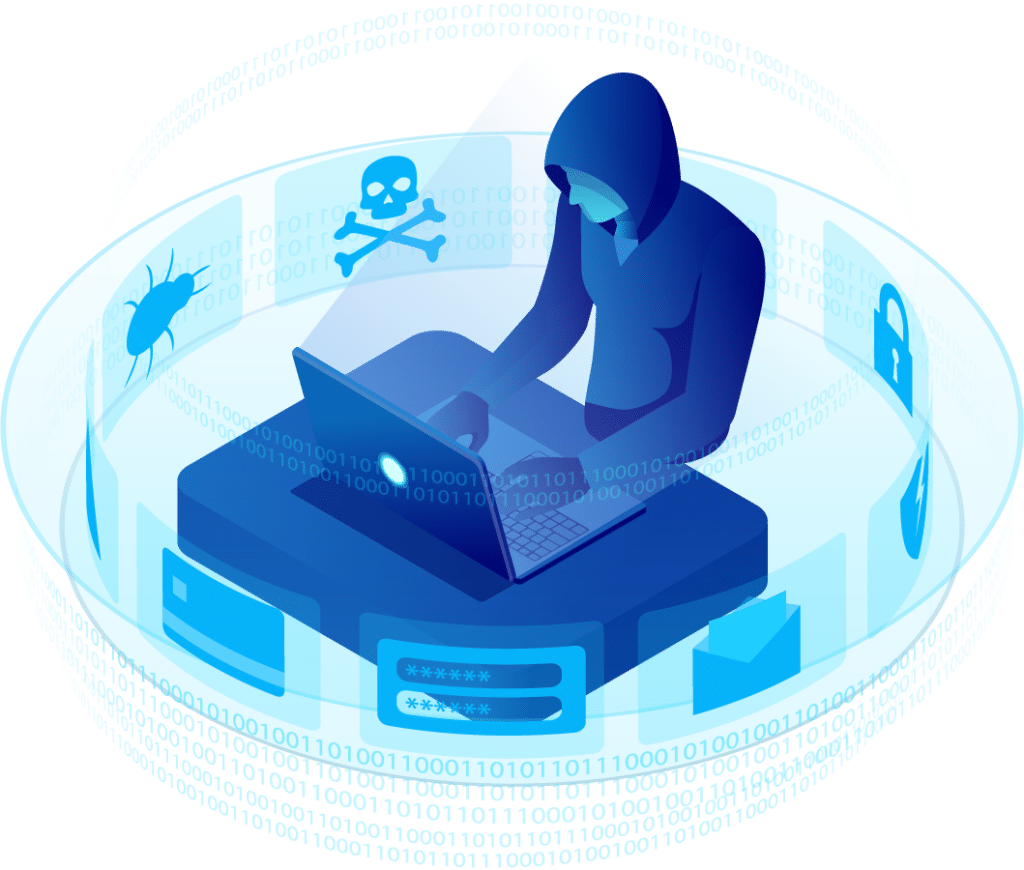
STEEL ransomware is an advanced form of malware specifically designed to encrypt essential files on business and personal systems, making them completely inaccessible to their owners. This ransomware has become widely known for its ability to cause significant disruptions to critical operations, particularly affecting sectors such as healthcare, manufacturing, education, and finance.
Unlike traditional threats, STEEL ransomware is managed by highly organized criminal groups that employ powerful encryption (AES-256 or RSA) to render data inaccessible except through a unique key held by the attackers.
In addition, the practice known as double extortion is common, wherein besides encrypting files, hackers steal copies of sensitive data to threaten victims with public exposure.
Ransomware attacks have grown rapidly, with an estimated increase of around 5% in just the last year and average ransom demands reaching millions of dollars. Many affected companies end up paying the ransom due to ignorance of effective alternatives, directly contributing to the continuation of these criminal activities.
We provide specialized solutions for the secure recovery of ransomware-encrypted files.
Why choose Digital Recovery to decrypt STEEL ransomware?
Choosing the right partner for recovery after a ransomware attack is essential to ensure fast, secure, and effective results. Digital Recovery stands out globally by offering exclusive solutions combining advanced technology and proven experience in complex cyberattack scenarios.
- Exclusive Technology (TRACER): By using TRACER, our proprietary technological solution, we can effectively recover data encrypted by STEEL ransomware, guaranteeing a high success rate even in critical situations.
- Highly Specialized Team: We have experienced and certified specialists with extensive hands-on experience in real ransomware cases, ensuring a personalized technical and strategic approach for each situation.
- Proven Global Experience: With an international presence spanning over 25 years, our company serves customers in strategic markets such as the United States, Germany, the United Kingdom, Spain, Italy, Portugal, Brazil, and Latin America, providing efficient, multilingual support adapted to each region’s specific regulations.
- Guaranteed Confidentiality: Our services fully respect current data protection legislation. We offer highly rigorous confidentiality agreements (NDA) to guarantee comprehensive legal security for the companies we assist.
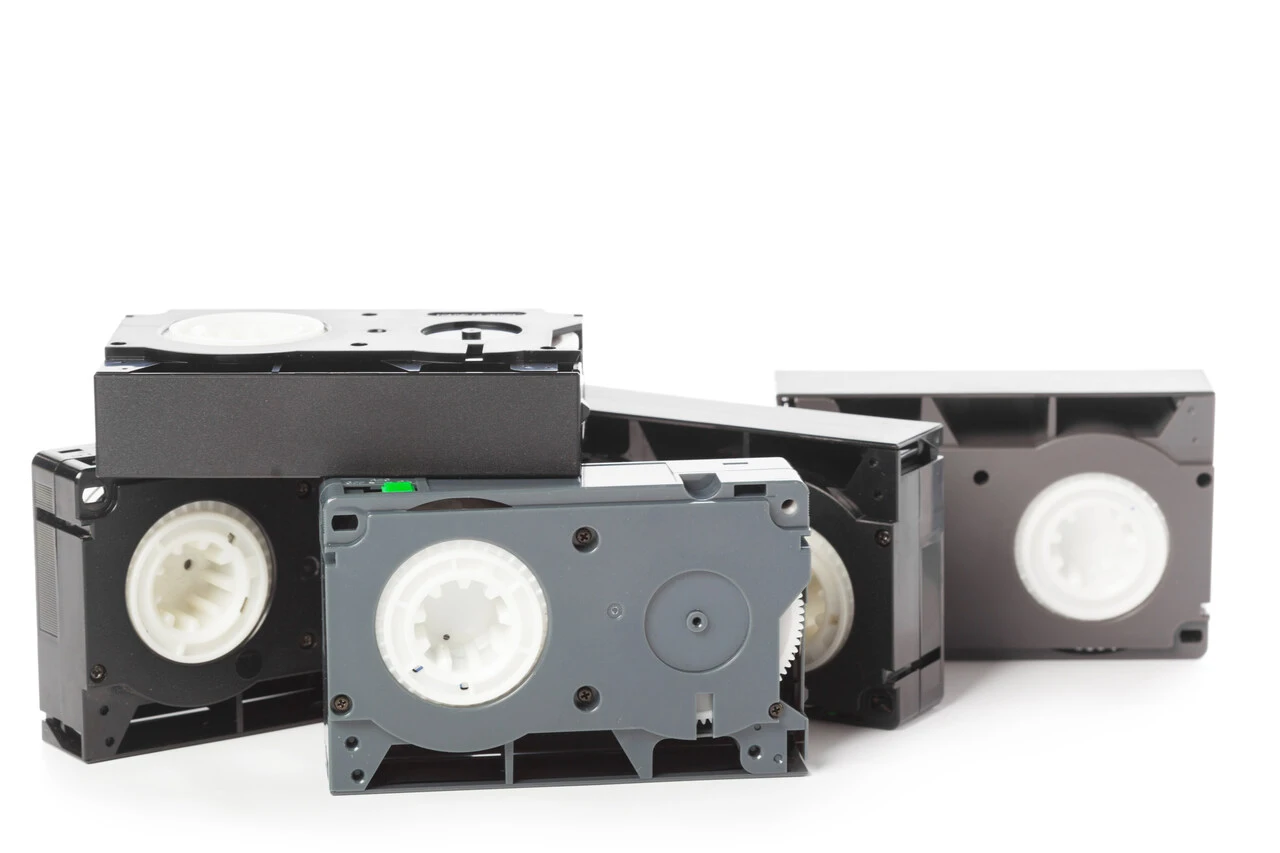
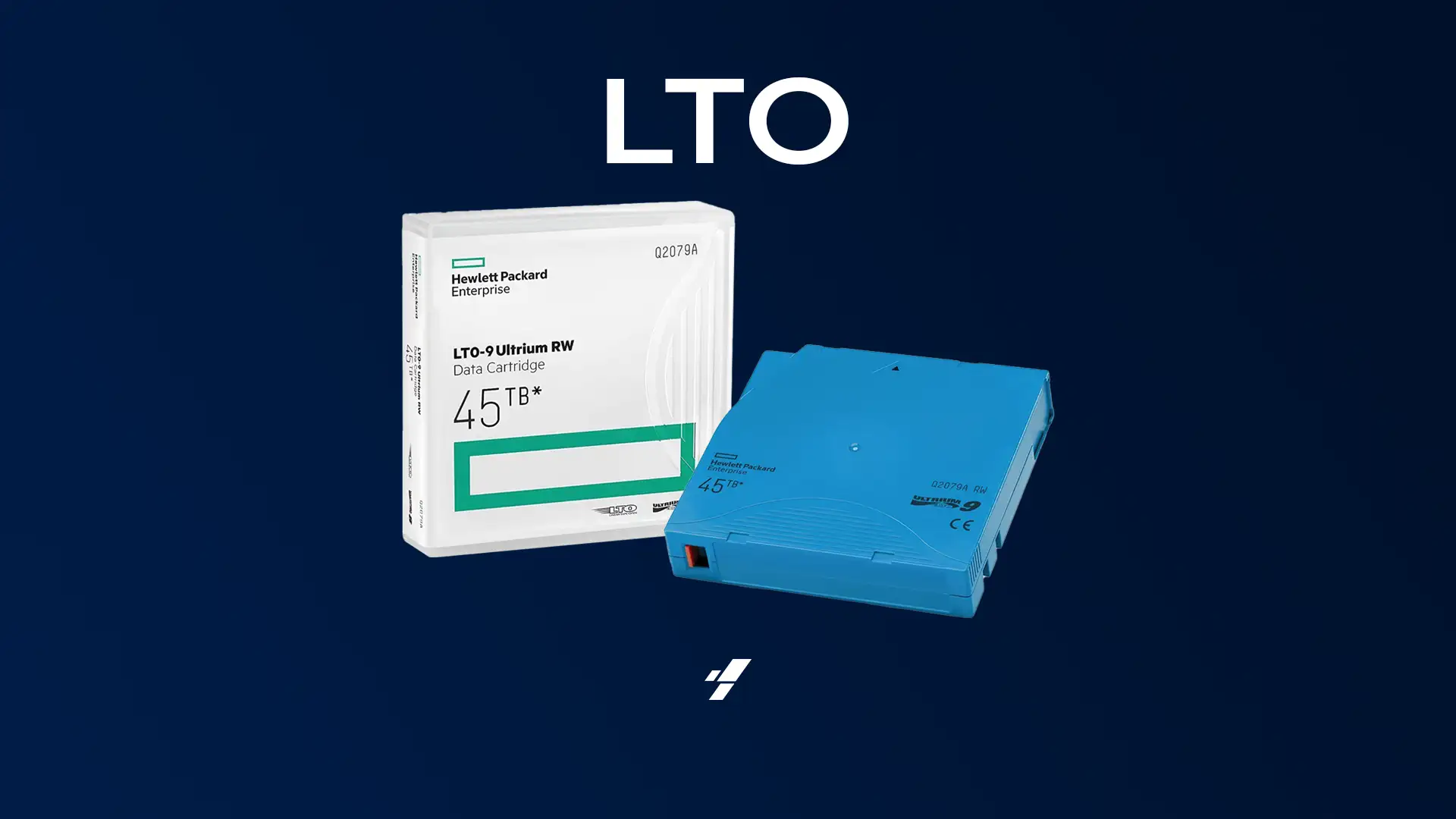
- Customized Solutions: We develop solutions that perfectly suit the primary storage devices, such as servers,storages (NAS, DAS, and SAN), all levels of RAID systems, databases, virtual machines, and magnetic tapes.
We are always online
Please fill out the form, or select your preferred contact method. We will contact you to start recovering your files.
Success Cases
What our customers say about us
"We had a serious issue following a NAS server power outage in Raid 5. I immediately contacted DIGITAL RECOVERY. After a few days of hard work the issue was resolved."

"One of our RAID servers had stopped. After several attempts without fixing the problem we found DIGITAL RECOVERY and 5 hours later, at 4:00 am, the data was recovered."

"We referred DIGITAL RECOVERY in a special case (data loss) in a storage RAID 5. Digital Recovery recovered 32 million files and the customer was extremely satisfied."
"Without any doubts the best data recovery company. Digital Recovery contact details will always be saved on my cell phone, as I will inevitably need it again."

"The quality of the service is excellent. The attention given to the service is gratifying and the feedbacks that are given leave us calm, knowing that we can trust in the work and dedication."
Customer since 2017
"Great company, they saved me from a big problem!!! I recommend them, what a quick service, my thanks to the Digital Recovery team for the attention and speed in solving the problem! Awesome!"

"The second time I count on the agility and professionalism of the Digital Recovery team, they are very experienced and agile. I recommend them to everyone"

They helped me recover some data that I had thought was lost. I had a great experience with the team for their calmness, agility, and transparency.









Answers from our experts
STEEL ransomware executes its attack through a clear and defined sequence of steps:
- Silent infiltration: The first stage of the attack involves phishing techniques, where criminals send emails with malicious links or attachments to victims. Another common strategy includes exploiting technical vulnerabilities in outdated systems, such as flaws in old programs or insecure remote access (RDP).
- Backup mapping and neutralization: After entering the network, the ransomware performs a meticulous internal reconnaissance, identifying strategic data and connected or online backups. Its main goal is to compromise existing backups, preventing immediate file recovery.
- Mass encryption of files: Following initial reconnaissance, ransomware immediately encrypts the identified files. Critical data, databases, ERPs, virtual machines, and RAID arrays are frequently compromised, completely blocking user access.
- Financial extortion: Immediately after data encryption, hackers leave a note demanding ransom payment. Typically, the instructions include communication through secure platforms or dark web sites, requesting cryptocurrency payments to prevent tracing.
How much does it cost to decrypt STEEL ransomware?
The exact value to decrypt files impacted by STEEL ransomware is defined according to the extent and level of technical complexity of the suffered attack.
The total cost of the process is directly linked to the amount of affected information, the category of impacted systems (servers, virtual machines, storages, or databases), and the availability of usable backups.
If you want to quickly start recovery and obtain an accurate quote, contact our specialized team to perform a detailed initial diagnosis. Talk to our specialists now.
How long does the data recovery take?
The period required to restore files can vary significantly depending on the specifics of the attack. Usually, the process takes from a few days to a few weeks, with the exact time influenced by factors like the amount of encrypted data, the complexity of the attack, the size of the affected network, and the quality of existing backups.
Right after the initial diagnosis, conducted by our specialized team within the first 24 business hours of your contact, you’ll receive a detailed and personalized forecast of the time required to finalize the recovery process.
Is there any guarantee for data recovery?
Considering the technical complexity of ransomware attacks, no responsible company can guarantee in advance the complete recovery of files. Each incident presents unique technical aspects, such as different cryptographic algorithms and specific methods employed by criminals.
Nevertheless, Digital Recovery relies on proprietary and advanced technologies, including the exclusive TRACER solution, capable of providing high success rates in recovering ransomware-encrypted files.
Latest insights from our experts

Veeam Backup Attacked by Ransomware
Veeam Backup & Replication is one of the most widely used backup platforms in the corporate world. Its efficiency, flexibility, and integration with virtualized environments

Analysis of the New Akira Strain: How Digital Recovery’s Tracer Can Help
The cyber threat landscape in the United States is constantly evolving, and the Akira ransomware has emerged as one of the most destructive and persistent

Automatic RAID Rebuild: When It Saves and When It Destroys Your Data
RAID storage systems (Redundant Array of Independent Disks) are widely used in servers, storage units, and data centers for their fault tolerance and performance. One
What you need to know
How to prevent a STEEL ransomware attack?
Preventing a STEEL ransomware attack requires a comprehensive cybersecurity framework, but that’s not all, let’s list some important points that you need to pay attention to.
Keep software and operating systems up to date: Regularly update software and operating systems with the latest security patches to protect against known vulnerabilities.
Use strong passwords and two-factor authentication: Use strong, unique passwords for all accounts and enable two-factor authentication to add an extra layer of security.
Educate employees: Train employees on how to recognize phishing emails and other social engineering tactics used by cybercriminals.
Back up data regularly: Make sure to regularly back up important data to a secure, offsite location.
Use antivirus and antimalware software: Use reputable antivirus and antimalware software and keep it up to date.
Limit user access: Restrict user access to only what is necessary to perform their job functions and regularly review and remove unnecessary access.
Monitor network traffic: Regularly monitor network traffic to detect unusual activity or traffic patterns.
Have an incident response plan: Develop and regularly test an incident response plan to respond quickly and effectively to a ransomware attack.
By following these best practices, organizations can help reduce their risk of falling victim to a STEEL ransomware attack.
What is the most common means of access used by hackers to break into the environments?
There exist various tactics utilized by STEEL criminals, the primary ones being: dissemination of infected files, malicious hyperlinks, RDP-based assaults, phishing, spam email campaigns, among others.
Their ultimate objective is to infiltrate the victim’s system without their knowledge. Therefore, STEEL ransomware disguises itself within the system to evade detection by security systems.
In situations where user involvement is required, perpetrators employ phishing techniques to induce the victim into unwittingly downloading ransomware onto their system.
Is there any behavior of my server, that I can analyze, to know if I am being attacked by STEEL Ransomware?
Suspicious activities such as excessive processing, memory usage, and disk access warrant a thorough investigation to determine whether an attack is in progress.
STEEL Ransomware typically utilizes the machine’s own resources to carry out data exfiltration and encryption, thereby imposing a heavy load on the system’s resources.
Moreover, detecting the attack through changes to file extensions can be challenging since the encryption process would have already been initiated, making it a more complex process.
What happens if I don't pay the STEEL ransom?
If a device is affected by STEEL ransomware that uses encryption, the encrypted data will remain inaccessible until the ransom is paid or the device is formatted.
But in cases where the attacking group uses the double extortion tactic of copying and extracting all files and encrypting the original data, the stolen files will be posted on the group’s website or Dark Web forums and all original data will remain encrypted on the affected device, requiring the device to be formatted.