
specialties


Technology to get your data back!
Decrypt BianLian ransomware
If your files have been encrypted by BianLian ransomware, count on us to recover your data quickly and securely.
- Over 25 years of experience
- Present in 7 countries
- Multilingual support
37k+
WORLDWIDE SERVICES
CASES OF
LOCKBIT ATTACK
CASES OF BLACK CAT ATTACK

CASES OF
HIVE LEAKS ATTACK

CASES OF
AKIRA ATTACK
$240M+
AMOUNT SAVED FOR NOT DEALING WITH HACKERS
* Data as of 2025


Recover BianLian ransomware files
If your data has been encrypted by BianLian ransomware, you need to act quickly.
Unlike traditional threats, BianLian ransomware is managed by highly organized criminal groups that employ powerful encryption (AES-256 or RSA) to render data inaccessible except through a unique key held by the attackers.
In addition, the practice known as double extortion is common, wherein besides encrypting files, hackers steal copies of sensitive data to threaten victims with public exposure.
The number of ransomware attacks is rapidly increasing, with approximately 5% growth recorded last year. Ransom demands frequently exceed millions of dollars, leading many affected companies to pay the required amount due to ignorance of effective alternatives, directly fueling the cycle of attacks.
We offer unique solutions forransomware decryption.
Why choose Digital Recovery to decrypt BianLian ransomware?
Correctly choosing the partner for recovery after experiencing a ransomware attack is crucial for achieving secure, agile, and effective results. Digital Recovery distinguishes itself in the international market through exclusive solutions that combine cutting-edge technology with solid expertise in resolving complex digital attacks.
- Exclusive Technology (TRACER): Our proprietary technology, TRACER, enables the recovery of data encrypted by BianLian ransomware, presenting a high success rate even in extremely complex scenarios.
- Highly Specialized Team: Our team consists of certified specialists who are highly experienced in real ransomware cases, providing a technical and strategic approach tailored to each incident.
- Proven Global Experience: Operating for over 25 years in the global market, we serve businesses in countries like the United States, Germany, the United Kingdom, Spain, Italy, Portugal, Brazil, and throughout Latin America, offering specialized, multilingual support fully compliant with local legal requirements.
- Guaranteed Confidentiality: Our services rigorously adhere to all current data protection regulations. Additionally, we offer detailed confidentiality agreements (NDA), guaranteeing complete legal security for impacted organizations.
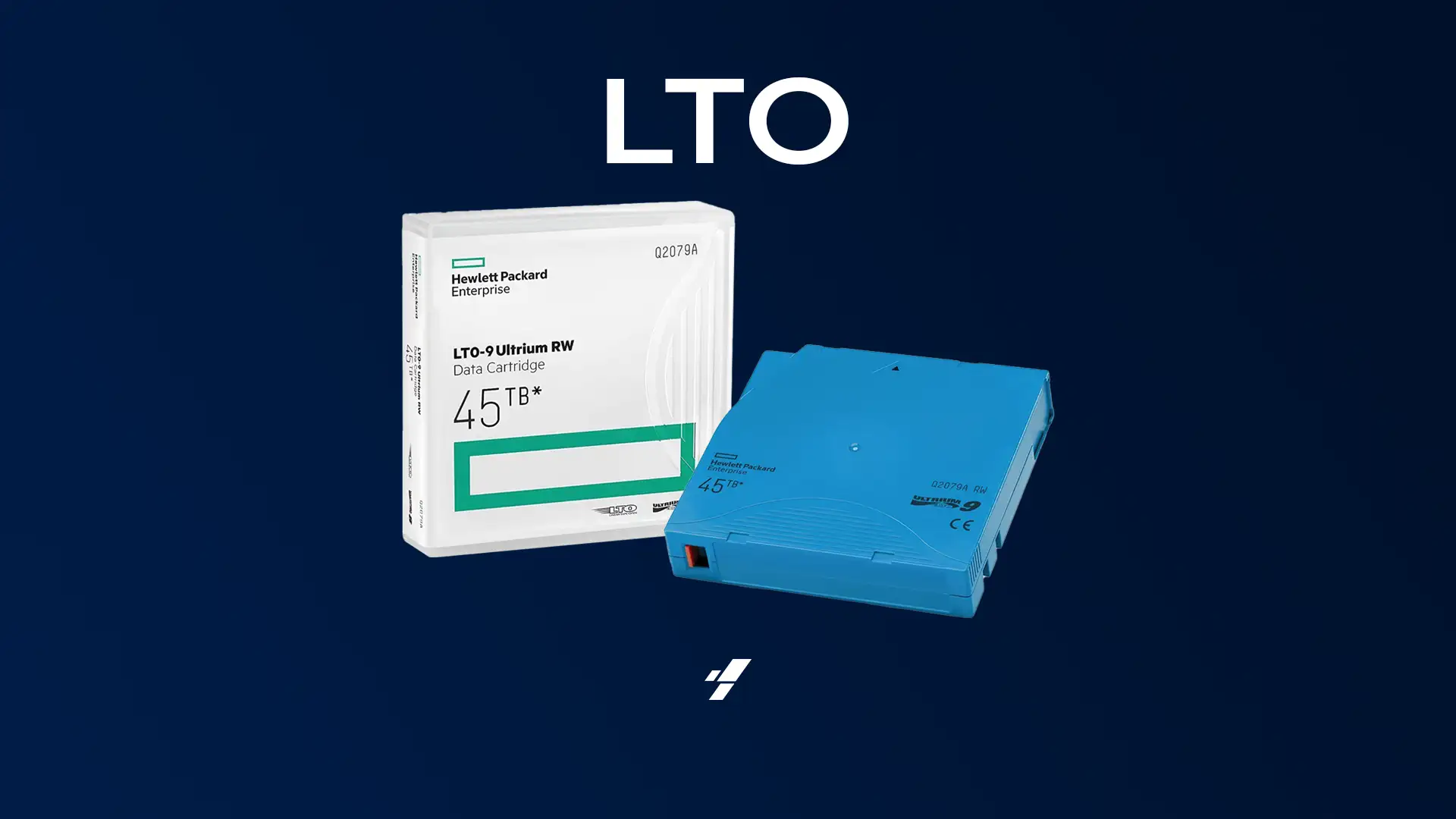
- Customized Solutions: We provide customized solutions compatible with a variety of storage devices, covering servers, storages (NAS, DAS, and SAN), RAID systems of any level, databases, virtual machines, magnetic tapes, among others.
We are always online
Please fill out the form, or select your preferred contact method. We will contact you to start recovering your files.
Success stories
What our customers say about us
We had a serious problem after a power outage affected a NAS server in RAID 5. I immediately contacted DIGITAL RECOVERY. After several days of hard work, the problem was resolved.
"One of our RAID servers had stopped working. After several attempts to resolve the issue, we found DIGITAL RECOVERY, and five hours later, at 4:00 a.m., the data had been recovered."
"We referred a special case of data loss in a RAID 5 storage system to DIGITAL RECOVERY. DIGITAL RECOVERY recovered 32 million files, and the customer was extremely satisfied."
"Without a doubt, the best data recovery company. DIGITAL RECOVERY's contact details are always saved on my mobile phone, as I will inevitably need them again."
"The quality of the service is excellent. The care dedicated to the service is very satisfactory, and the feedback we receive reassures us, knowing that we can rely on their work and dedication."
"Great company, they saved me from a major problem!!! I recommend them, what fast service. My thanks to the Digital Recovery team for their attention and speed in resolving the issue! Fantastic!"
"This is the second time I have relied on the speed and professionalism of the Digital Recovery team. They are highly experienced and efficient. I recommend them to everyone."
They helped me recover data I thought had been lost. I had a great experience with the team thanks to their calm approach, speed, and transparency.


Answers from our experts
The BianLian ransomware attack typically occurs in several well-defined stages:
- Silent infiltration: The attack usually begins through phishing, by sending malicious emails or infected files to victims. Additionally, technical vulnerabilities in outdated systems, such as breaches in old software or insecure remote access via RDP, are commonly exploited.
- Backup mapping and neutralization: After the initial entry, the ransomware conducts an internal network reconnaissance, identifying strategic files and particularly connected or online backups. The aim is also to compromise these backups, eliminating quick recovery options.
- Mass encryption of files: Once data is mapped, ransomware quickly starts encryption. Critical files, databases, enterprise resource planning (ERP) systems, virtual machines, and RAID systems are typically affected, making the files completely inaccessible.
- Financial extortion: After encrypting the data, criminals leave a ransom note demanding payment. Usually, instructions for communication through secure platforms or the dark web are provided, requiring payments in cryptocurrencies to hinder tracing.
How much does it cost to decrypt BianLian ransomware?
How long does the data recovery take?
Is there any guarantee for data recovery?
Latest insights from our experts

Degraded RAID: the risk of continuing to use the server
A degraded RAID is a warning sign that should never be ignored. Although the server may still remain powered on and the files may still

RAID Rebuild: When a Recovery Attempt Can Destroy Your Data
A RAID rebuild is often seen as a quick solution when a disk fails in a server, storage system, or NAS. In many environments, the

RAID recovery software: when it can worsen data loss
When a RAID system fails, it is common to look for a quick solution. Many IT managers turn to recovery software in an attempt to
What you need to know
How to prevent a BianLian ransomware attack?
Preventing a BianLian ransomware attack requires a comprehensive cybersecurity framework, but that’s not all, let’s list some important points that you need to pay attention to.
- Keep software and operating systems up to date: Regularly update software and operating systems with the latest security patches to protect against known vulnerabilities.
- Use strong passwords and two-factor authentication: Use strong, unique passwords for all accounts and enable two-factor authentication to add an extra layer of security.
- Educate employees: Train employees on how to recognize phishing emails and other social engineering tactics used by cybercriminals.
- Back up data regularly: Make sure to regularly back up important data to a secure, offsite location.
- Use antivirus and antimalware software: Use reputable antivirus and antimalware software and keep it up to date.
- Limit user access: Restrict user access to only what is necessary to perform their job functions and regularly review and remove unnecessary access.
- Monitor network traffic: Regularly monitor network traffic to detect unusual activity or traffic patterns.
- Have an incident response plan: Develop and regularly test an incident response plan to respond quickly and effectively to a ransomware attack.
By following these best practices, organizations can help reduce their risk of falling victim to a BianLian ransomware attack.
What is the most common means of access used by hackers to break into the environments?
There exist various tactics utilized by BianLian criminals, the primary ones being: dissemination of infected files, malicious hyperlinks, RDP-based assaults, phishing, spam email campaigns, among others.
Their ultimate objective is to infiltrate the victim’s system without their knowledge. Therefore, BianLian ransomware disguises itself within the system to evade detection by security systems.
In situations where user involvement is required, perpetrators employ phishing techniques to induce the victim into unwittingly downloading ransomware onto their system.
Is there any behavior of my server, that I can analyze, to know if I am being attacked by BianLian Ransomware?
Suspicious activities such as excessive processing, memory usage, and disk access warrant a thorough investigation to determine whether an attack is in progress.
BianLian Ransomware typically utilizes the machine’s own resources to carry out data exfiltration and encryption, thereby imposing a heavy load on the system’s resources.
Moreover, detecting the attack through changes to file extensions can be challenging since the encryption process would have already been initiated, making it a more complex process.
What happens if I don't pay the BianLian ransom?
If a device is affected by BianLian ransomware that uses encryption, the encrypted data will remain inaccessible until the ransom is paid or the device is formatted.
But in cases where the attacking group uses the double extortion tactic of copying and extracting all files and encrypting the original data, the stolen files will be posted on the group’s website or Dark Web forums and all original data will remain encrypted on the affected device, requiring the device to be formatted.